Table of Contents
- How We Chose the Best Kids Craft Kits for Creativity
- Quick Comparison: Top Kids Craft Kits at a Glance
- Educational Craft Kits for Kids That Build Real Skills
- Age-Appropriate Craft Kits: Matching the Kit to the Child
- Craft Subscription Boxes for Kids Worth the Monthly Spend
- Kids Craft Kits for Specific Creative Interests
- What Parents Often Overlook: Storage, Sustainability, and Neurodivergent-Friendly Picks
- Frequently Asked Questions
Last Updated: August 22, 2026
The best kids craft kits for creativity do more than keep children busy for an afternoon. At Craft Living Artistry, we’ve evaluated what separates a kit that builds skills from one forgotten by Thursday: age-appropriate challenge, complete materials, and clear developmental purpose.
Quick Picks:
- Best Overall for STEAM Learning: KiwiCo Crates, monthly projects aligned to academic standards
- Best Budget Entry Point: Crayola Craft Kits, trusted materials, wide age range, accessible pricing
- Best for Tweens: Klutz Craft Kits, technique-focused with excellent instruction books
- Best Subscription for Eco-Conscious Families: Green Kid Crafts, STEAM projects with sustainable materials
- Best Open-Ended Creativity: Kid Made Modern, abundant, diverse supplies for imaginative play
How We Chose the Best Kids Craft Kits for Creativity
Every kit was evaluated against four criteria: completeness of materials, age-appropriateness, developmental value, and likelihood a child will finish the project.
A common mistake is buying a kit technically age-appropriate but pitched at the wrong skill level. A five-year-old handed an independent-play kit gets frustrated fast. A ten-year-old given a toddler project loses interest in minutes.
Our evaluation framework covered:
- Completeness: Does the kit include everything needed?
- Developmental fit: Does the project build fine motor skills, creative problem solving, or STEAM concepts meaningfully?
- Replayability: Can a child return for multiple sessions?
- Mess level: Is cleanup manageable?
- Sustainability: Are materials responsibly sourced?
A sensory play kit and a jewelry making kit serve different developmental purposes. This guide treats them accordingly.
Quick Comparison: Top Kids Craft Kits at a Glance
| Kit | Best Age | Format | Key Strength | Mess Level |
|---|---|---|---|---|
| KiwiCo Crates | 0-16+ | Subscription | STEAM learning, age-specific | Low-Medium |
| Green Kid Crafts | 3-10+ | Subscription | Eco-friendly, science focus | Low |
| Crayola Craft Kits | 2+ | One-time | Safe materials, broad range | Medium |
| Melissa & Doug | 4-8 | One-time | Fine motor skills, durability | Low |
| Creativity for Kids | 4-12 | One-time | Open-ended, all-inclusive | Medium |
| Kid Made Modern | 6+ | One-time | Abundant supplies, imaginative | Medium |
| Klutz Craft Kits | 8+ | One-time | Technique-building, clear instructions | Low |
| Ann Williams Craft-tastic | 8-14 | One-time | Trendy projects, tween appeal | Low |
| National Geographic | 8+ | One-time | Science + art integration | Low-Medium |
Educational Craft Kits for Kids That Build Real Skills
The best educational craft kits teach a process. There’s a meaningful difference between following steps to glue pre-cut pieces and learning why a circuit completes when two copper strips touch.
KiwiCo Crates: STEAM Learning Through Monthly Projects
KiwiCo is the benchmark for subscription-based STEAM learning. The crate lineup spans from Koala Crate for ages 2-4 through Doodle Crate for ages 9-16+, with each tier calibrated to cognitive and fine motor development. Projects align to academic standards including NGSS, connecting hands-on learning to school concepts.
Each box includes materials for two to three projects with clear, kid-friendly instructions. Projects build on previous months, developing a genuine maker mindset over time.
KiwiCo’s STEAM curriculum alignment overview
What works: Age-specific crates ensure appropriate challenge. Materials are complete. Projects encourage creative problem solving.
What doesn’t: The subscription model is a commitment. If interests shift, you’re locked into a theme.
National Geographic Arts & Crafts Kits: Science Meets Creativity
National Geographic kits integrate artistic creation with scientific understanding. Mosaic art, marble painting, and pottery projects include educational content contextualizing the medium within broader scientific concepts. Best suited to curious children aged eight and up, many include real specimens or scientific tools alongside crafting materials.
What works: Educational depth adds genuine value. Instructions are clear and materials are high quality.
What doesn’t: Children purely interested in artistic expression may find the science framing unnecessary.
Klutz Craft Kits: Technique-Focused Skill Building
Klutz teaches specific crafting techniques through exceptionally well-written instruction books. A child completing a Klutz jewelry or paper craft kit gains a transferable skill, not just a finished product. The instruction books are genuinely kid-friendly, a rarity in craft kits.
What works: Technique focus builds creative confidence. Materials are high quality and results are satisfying.
What doesn’t: The structured approach limits open-ended exploration.
Age-Appropriate Craft Kits: Matching the Kit to the Child
Age-appropriate craft kits are the single most important variable in engagement. Too easy and there’s no satisfaction. Too hard and there’s frustration. The sweet spot requires genuine effort but delivers a result the child is proud of.
Crayola and Melissa & Doug: Best for Ages 2-6
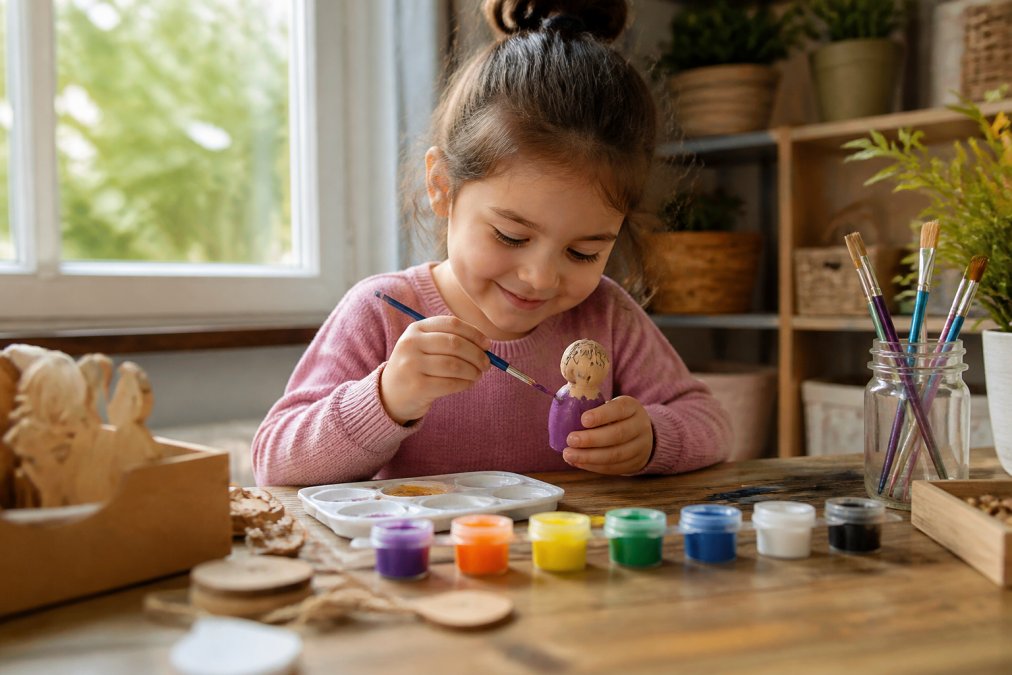
For preschoolers and early elementary children, the priority is sensory play and fine motor skill development. Crayola leads on material safety with washable, non-toxic supplies that are the standard for early childhood art. Melissa & Doug adds structure through weaving, stamping, and jewelry making kits that introduce process-based crafting with durable wooden components.
For this age group, mess-free crafts are worth prioritizing.
Creativity for Kids and Kid Made Modern: Best for Ages 6-10
Children aged six to ten have the fine motor skills for complex materials and cognitive development for multi-step independent instructions. Creativity for Kids emphasizes sparking imagination rather than producing a specific result, excellent for children who prefer improvisation within structure. Kid Made Modern packs abundant materials, pom-poms, googly eyes, felt, encouraging artistic exploration across multiple sessions.
Ann Williams Craft-tastic and Klutz: Best for Tweens 10+
Tweens need kits respecting their growing sophistication. Ann Williams Craft-tastic gets tween culture right with string art and on-trend jewelry projects. Klutz works well for tweens wanting genuine skill development, producing results that look impressively professional.
Craft Subscription Boxes for Kids Worth the Monthly Spend
Craft subscription boxes solve a real problem: the creative momentum from regular new projects. One-time kits are great, but monthly boxes develop a crafting habit.
KiwiCo remains the category leader for STEAM-focused subscriptions. The age-specific crate system means content genuinely evolves as your child grows.
Green Kid Crafts is strongest for families prioritizing sustainability. Each box contains four to six science and art projects with a 12-page magazine, emphasizing eco-friendly materials. According to the American Academy of Pediatrics’ guidance on environmental education, early exposure to nature-based learning supports long-term environmental stewardship values.
Skill-progression mapping is where subscription boxes outperform one-time kits. KiwiCo and Green Kid Crafts design content so skills introduced one month build in subsequent boxes, creating cumulative learning difficult to replicate with standalone purchases.
Before committing to a subscription, check whether the provider offers a gift option or trial box. Many families find a single box confirms whether the format suits their child’s learning style before enrolling in a recurring plan.
Kids Craft Kits for Specific Creative Interests
Matching a kit to a specific creative interest produces far better engagement than buying general-purpose kits and hoping for the best.
Jewelry Making and Wearable Accessories
Jewelry making kits build fine motor skills, pattern recognition, and creative expression. For children aged six and up, beading and bracelet kits introduce design iteration: make it, wear it, decide what to change next time.
Melissa & Doug and Creativity for Kids offer solid entry-level jewelry kits. Ann Williams Craft-tastic goes further for tweens with on-trend designs producing wearable results. Bead storage matters enormously, kits with organized compartments produce far less frustration than those dumping everything into a single bag.
Painting, Drawing, and Mixed-Media Art
Painting and drawing kits span the widest skill range. Crayola dominates foundational art with accessible drawing and painting kits. National Geographic adds educational depth for older children, integrating art techniques with scientific context.
For children showing genuine artistic interest, mixed-media kits introducing multiple materials in a single project produce sophisticated results and build creative problem solving skills.
DIY Room Decor and Functional Projects
DIY room decor projects have lasting purpose. A child making something for their own room has a permanent reminder of creative capability, reinforcing the maker mindset more durably than one-off projects.
Kid Made Modern and Ann Williams Craft-tastic offer room decor kits producing functional results: string art wall hangings, decorative storage boxes, and customized picture frames. These projects mirror real-world design thinking: identify a need, create a solution, evaluate the result.
What Parents Often Overlook: Storage, Sustainability, and Neurodivergent-Friendly Picks
Three aspects of kids craft kits significantly affect whether crafting becomes a lasting hobby or a source of household stress.
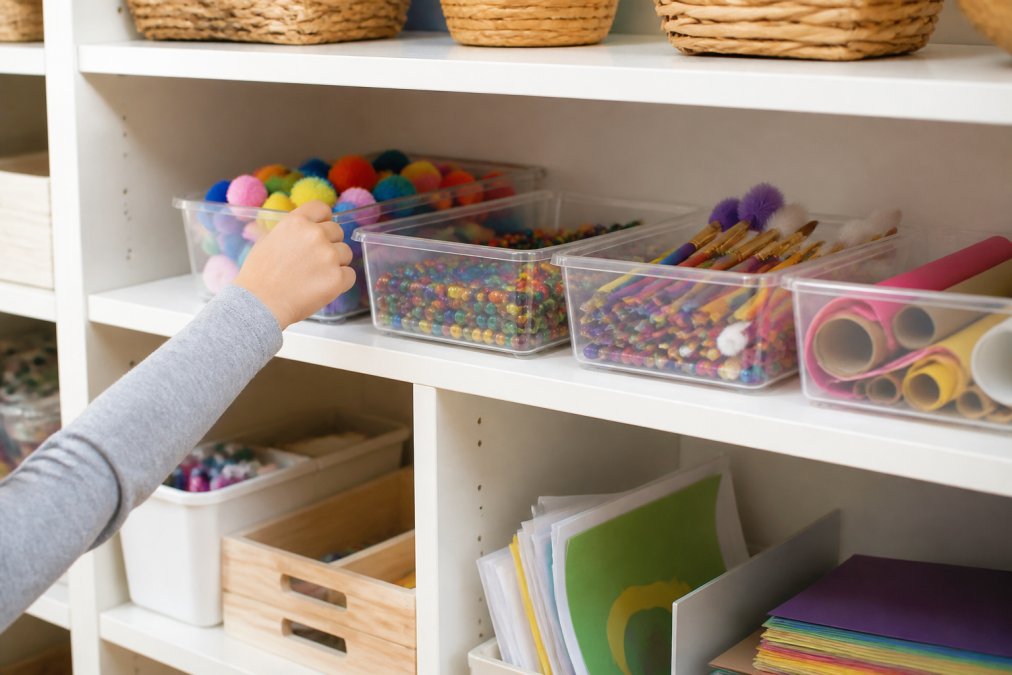
Storage and organization are the most overlooked factors in craft kit longevity. Kits with materials sorted into compartments or resealable bags last significantly longer than those with loose components. When materials are easy to find and return, children are more likely to return across multiple sessions. Invest in a dedicated craft storage unit with labeled bins before kits arrive, organizing supplies by type.
Sustainability increasingly factors into purchasing decisions. Green Kid Crafts is the clearest leader with eco-friendly materials and environmental themes in every box. Look for kits using recycled packaging, non-toxic materials certified by ASTM International standards, and components that can be composted or recycled. According to ASTM International’s toy and craft safety standards, craft products should meet ASTM F963 safety specifications covering chemical content, flammability, and small parts.
Neurodivergent-friendly crafting deserves consideration. Children with ADHD, sensory processing differences, or autism spectrum conditions often thrive with crafting, but format matters:
- Sensory play kits with tactile materials (clay, foam, textured papers) engage children seeking sensory input
- Mess-free formats (sticker art, foam crafts, pre-cut materials) reduce overwhelm for texture-sensitive children
- Clear, step-by-step instructions with visual guides support children benefiting from structured sequences
- Open-ended kits work well for children needing creative freedom without outcome pressure
- Shorter projects producing results in one sitting suit children struggling with sustained attention
Research on crafting and cognitive development consistently supports hands-on learning across neurological profiles. As noted by the Child Mind Institute’s resources on creative activities for children, creative activities support emotional regulation, attention, and self-expression in children with diverse learning differences.
Avoid kits with very small beads or loose glitter for children under six or with sensory sensitivities. Beyond choking hazards, loose glitter and tiny components create sensory chaos derailing entire sessions and discouraging future engagement.
The most durable investment in a child’s creative development isn’t any single kit. It’s a well-organized crafting space stocked with age-appropriate materials the child can access independently. Kits are the spark; the environment sustains the habit.
| Consideration | What to Look For | Best Kit Examples |
|---|---|---|
| Storage-friendly | Compartmentalized packaging, resealable bags | Melissa & Doug, Klutz |
| Eco-friendly materials | Recycled content, ASTM-certified non-toxic | Green Kid Crafts, Crayola |
| Sensory-seeking children | Tactile materials, clay, textured components | Creativity for Kids, Crayola Model Magic |
| Mess-sensitive children | Sticker art, foam, pre-cut pieces | Melissa & Doug, Crayola |
| Structured learners | Step-by-step visual instructions | Klutz, National Geographic |
| Open-ended explorers | Abundant varied supplies, no fixed outcome | Kid Made Modern, Creativity for Kids |
| Short attention spans | Single-session projects | Ann Williams Craft-tastic, Crayola |
Choosing the right kids craft kits for creativity gets easier when you match the kit’s format and developmental purpose to the specific child. The kits in this guide cover the full range, from sensory play for toddlers to technique-focused skill building for tweens. At Craft Living Artistry, our curated selection is chosen with intentionality: complete materials, age-appropriate challenge, and real creative value in every box. Browse our kids’ craft kit collection at Craft Living Artistry and find the right starting point for the young maker in your life.
Frequently Asked Questions
How do craft kits help with child development?
Craft kits build fine motor skills as children cut, glue, thread, and paint. They also support cognitive development by requiring kids to follow steps, solve small problems, and make creative decisions. Regular crafting encourages creative confidence, patience, and a maker mindset. Projects that involve measuring or building add STEM learning on top of artistic development, making a good craft kit one of the more well-rounded tools for supporting developmental milestones at home.
What are some good creative kits for kids who get bored quickly?
Kids who lose interest fast do better with open-ended kits that offer multiple project options rather than a single guided outcome. Look for kits with diverse materials like pom-poms, felt, beads, and paint that can be combined freely. Larger supply-library style kits give children the freedom to invent their own projects, which tends to hold attention longer than step-by-step kits with one predetermined result. Subscription boxes also introduce novelty each month, which helps sustain engagement over time.
What should I look for in age-appropriate craft kits?
Age-appropriate craft kits match the child’s fine motor ability, attention span, and safety needs. For ages 2-5, prioritize mess-free crafts with large components and non-toxic materials. Ages 6-10 can handle more detailed projects involving scissors, beads, or paint. Tweens benefit from technique-focused kits that teach real skills like jewelry making or sewing. Always check the manufacturer’s recommended age range, and consider your child’s specific developmental stage rather than age alone.
Are craft subscription boxes for kids worth it compared to one-time kits?
Craft subscription boxes for kids work well when a child crafts regularly and benefits from the monthly surprise element. They remove the decision fatigue of choosing projects and ensure supplies arrive complete. One-time kits are better for occasional crafters or when you want a specific type of project. Pricing depends on the provider and subscription length, so compare cost per project against what individual kits would run before committing.
Are there craft kits designed for neurodivergent children?
Yes. Children with sensory sensitivities, ADHD, or autism often do well with kits that offer tactile experience without overwhelming components. Look for kits with fewer loose pieces, clear visual instructions rather than dense text, and sensory play elements like modeling clay or textured materials. Mess-free options reduce anxiety around cleanup. Kits with open-ended outcomes rather than a single correct result also tend to reduce frustration for children who process and create differently.
This article was written using GrandRanker



0 Comments