Table of Contents
- Why Hobbyists Seek Factory Direct Craft Alternatives
- Best Online Craft Supply Stores for Every Project Type
- Bulk Craft Supplies for Hobbyists: Quality and Value
- How to Source Quality Crafting Materials
- Shipping Speed and Cost Comparison
- Sustainability and Eco-Friendly Sourcing Options
- Project-Specific Recommendations and Inventory Variety
- Making Your Final Choice
- Frequently Asked Questions
Last Updated: September 3, 2026
Why Hobbyists Seek Factory Direct Craft Alternatives
Finding the right craft supply source matters more than most hobbyists realize. The difference between a frustrating shopping experience and a seamless one often comes down to inventory depth, product quality, and whether a retailer understands what makers need. Many hobbyists outgrow their initial supply sources quickly, either because selection becomes limiting or because they discover better options aligned with their specific projects.
The search for craft supply alternatives typically starts with a specific pain point: stale inventory, lack of specialized materials for new disciplines, or overwhelming catalogs with poor curation. Hobbyists fall into distinct categories: those seeking convenience through curated kits, those hunting for bulk purchasing power, and those who need specialty items for niche crafts. Each group has different priorities, and no single retailer serves all three equally well.
Before evaluating alternatives, list your three most common craft projects. This single step eliminates 60% of retailers that won’t serve your actual needs, and saves hours of comparison shopping ([peer-reviewed research](https://pmc.ncbi.nlm.nih.gov/articles/PMC11431438/)).
The retail landscape for crafting supplies has shifted dramatically. Online-only retailers now compete directly with established chains, specialty shops focus deeply on specific disciplines, and bulk suppliers offer economics that individual hobbyists couldn’t access a decade ago. This fragmentation creates opportunity: you can now build a custom supply chain that matches your exact workflow rather than settling for a one-size-fits-all approach.
Best Online Craft Supply Stores for Every Project Type
Choosing between online retailers requires matching retailer strengths to your specific projects. Different stores excel at different things.
Full-Service Retailers with Broad Inventory
Michaels operates as the broadest generalist in the space. If you’re a hobbyist who bounces between jewelry, painting, home decor projects, and seasonal crafts, the breadth of inventory here is genuinely useful. The loyalty program and frequent promotions mean you’re rarely paying full price. The tradeoff is curation: with that much inventory comes decision fatigue, and product quality varies significantly across categories.
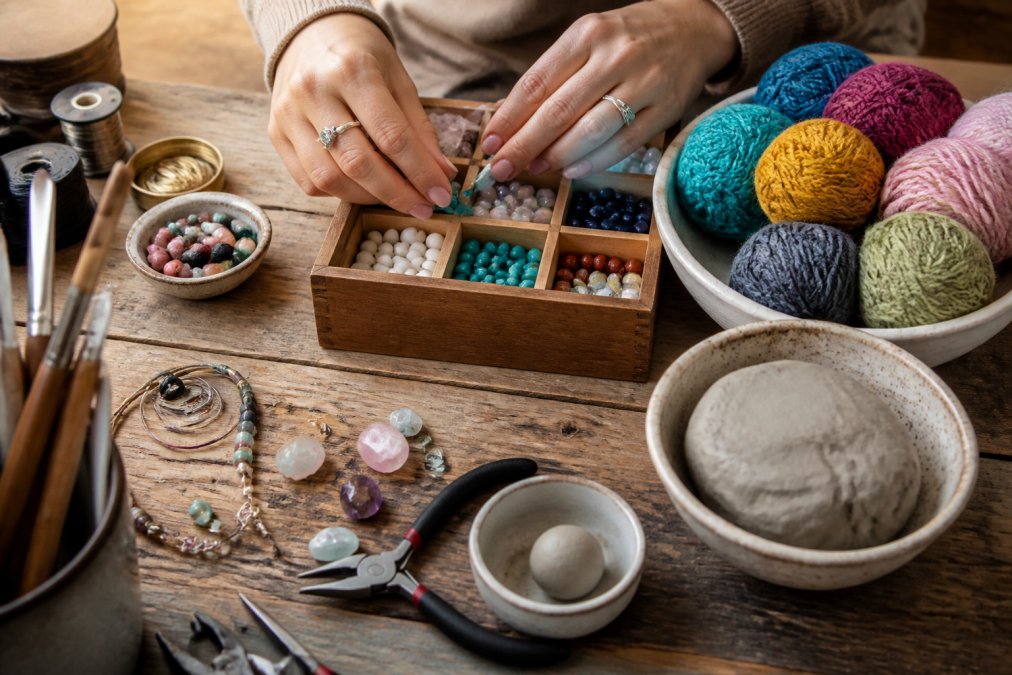
Blick Art Materials focuses on quality over breadth. If you’re serious about painting, drawing, printmaking, or fine art crafts, the selection of professional-grade materials here is unmatched. The limitation is obvious: if your primary craft falls outside fine art and drawing, you’ll find gaps.
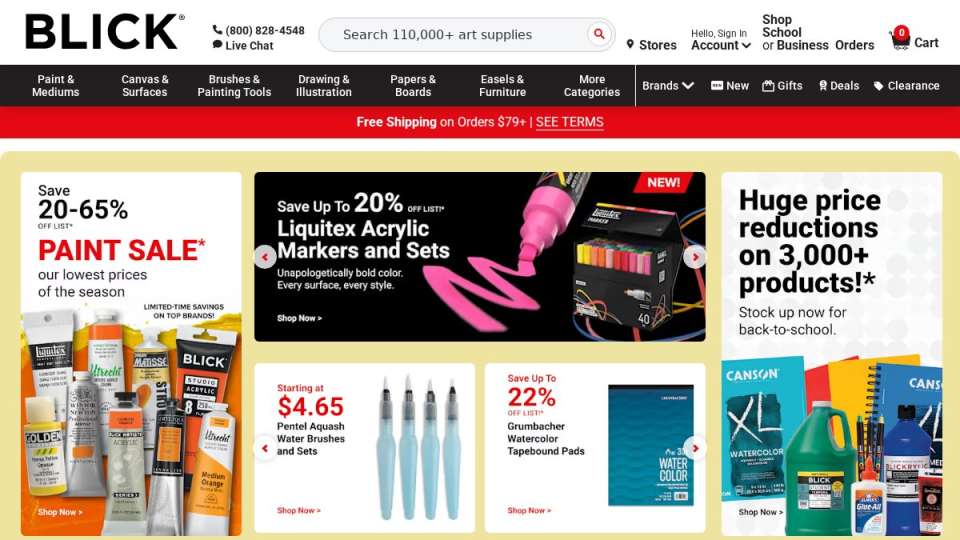
Craft Living Artistry operates with a deliberately focused approach. Rather than attempting to stock everything, the curation emphasizes quality kits, specialty components like cords and beads, maker tools, and materials for jewelry, pottery, and 3D printing. Complete kits arrive with everything you need, eliminating separate shopping trips for missing components.
Specialty Retailers for Niche Crafts
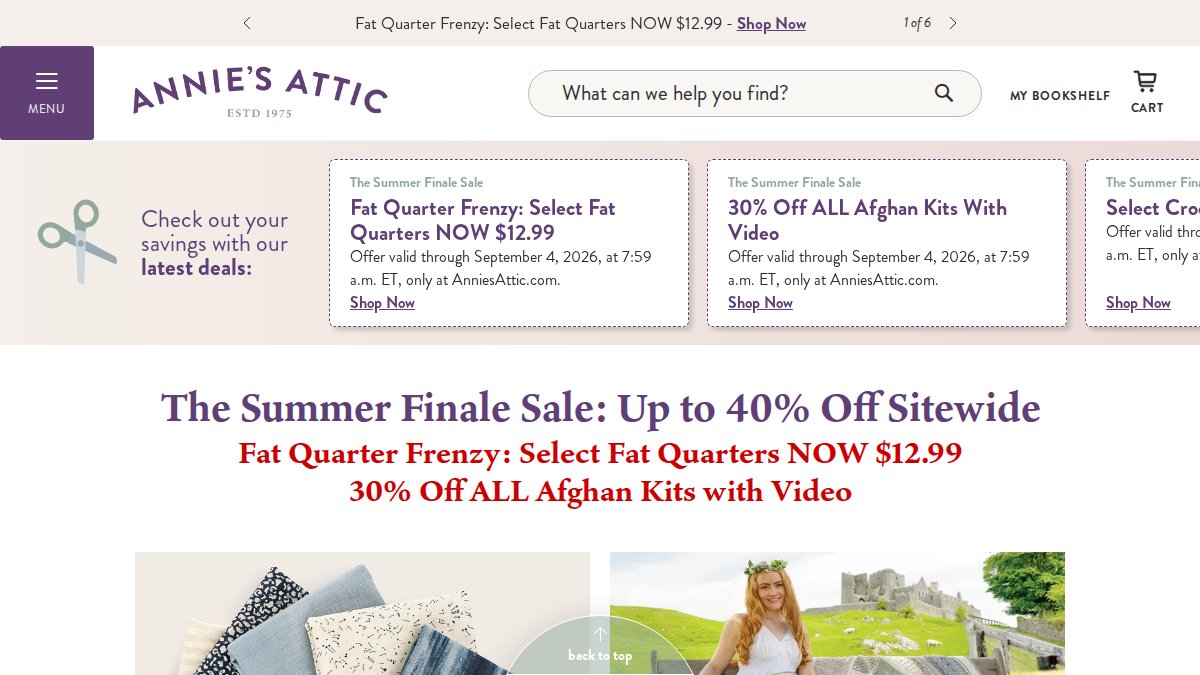
Annie’s Catalog dominates yarn crafts and home decor projects. If your primary hobbies involve knitting, crochet, or creating handmade home goods, the depth here is remarkable. Complete kits arrive with patterns, yarn, and all necessary materials. Digital patterns are available for immediate download.
The specialty retailer category continues expanding as hobbyists demand deeper expertise. Retailers focused on specific disciplines can offer inventory depth and customer knowledge that generalists cannot match.
Match retailer type to your project type: broad generalists for variety, specialty retailers for depth, and curated retailers for guidance when you’re unsure what you need.
Bulk Craft Supplies for Hobbyists: Quality and Value
Volume purchasing transforms the economics of hobby crafting. Buying beads, yarn, or paper in bulk reduces per-unit cost significantly. The bulk supply model works best when you’ve already committed to a specific craft discipline.
Quality consistency becomes more critical at volume. A single defective bead in a 50-piece kit is annoying; a batch of 500 defective beads is a disaster. Established bulk suppliers maintain tighter quality control because their reputation depends on it. The real advantage of bulk purchasing isn’t just price, it’s workflow efficiency: having adequate inventory of core materials means you can start projects immediately rather than waiting for shipments.
Bulk purchases from unfamiliar suppliers carry real risk. A bad batch of materials doesn’t just waste money, it wastes your time and creative energy. Verify supplier reputation through customer feedback before committing to large orders.
How to Source Quality Crafting Materials
Quality assessment requires understanding what “quality” means for your specific materials. For jewelry components, quality indicators include consistency in sizing, finish durability, and material composition. For yarn and fiber crafts, quality relates to fiber content, dye stability, and construction consistency. For pottery and clay work, quality involves consistency in texture, firing behavior, and durability.
Sourcing quality materials means researching supplier reputation, reading actual customer feedback, and starting with small orders before committing to bulk. Many quality suppliers offer samples or smaller sizes specifically so you can verify quality before investing heavily.
Shipping Speed and Cost Comparison
Shipping economics dramatically affect the total cost of your crafting supplies. A 10% discount on materials disappears if shipping costs triple.
Standard shipping typically takes 5-10 business days and costs between $5-15 depending on order size and retailer (the FTC). Expedited options run 2-4 business days at significantly higher cost (usps.gov). Free shipping thresholds vary; some retailers offer it on orders over $50, others require $100+.
The calculation changes based on how you shop. Consolidating orders into fewer, larger shipments reduces per-order shipping costs. Some specialty retailers charge flat-rate shipping regardless of order size, which makes small orders disproportionately expensive.
| Shipping Method | Typical Speed | Typical Cost | Best For |
|---|---|---|---|
| Standard Ground | 5-10 days | $5-15 | Non-urgent orders, bulk purchases |
| Expedited | 2-4 days | $15-35 | Time-sensitive projects, small orders |
| Free Shipping Threshold | 5-10 days | Free (minimum order) | Large consolidation orders |
| Flat Rate | 5-10 days | $8-12 | Small specialty orders |
Calculating total cost requires adding product cost plus shipping. A retailer with slightly higher product prices but free shipping over $50 often beats a competitor with lower prices but higher shipping fees.
Sustainability and Eco-Friendly Sourcing Options
Environmental impact increasingly matters to hobbyists. Sustainable sourcing options vary by material type. For jewelry and beading, look for suppliers offering recycled metals, ethically sourced gemstones, or plant-based alternatives to plastic beads. For yarn crafts, seek suppliers emphasizing natural fibers and low-impact dyes. For pottery and clay, some suppliers offer materials from recycled sources or emphasize minimal environmental impact in production.
The challenge is verification. Marketing language around sustainability is often vague. Detailed sourcing information, where materials come from, how they’re processed, what certifications they hold, matters more than general claims. Many hobbyists find that sustainable sourcing costs more upfront, but the long-term calculation often reverses: materials that last longer and feel better to work with provide more value per dollar spent.
Craft Living Artistry emphasizes sourcing materials that balance quality, durability, and environmental responsibility. The philosophy is that materials you’ll actually use repeatedly create less waste than cheap supplies that disappoint and get abandoned.
Project-Specific Recommendations and Inventory Variety
Different projects require different supply profiles. Matching retailer inventory to your actual projects eliminates wasted shopping time.
Jewelry making requires precise components: beads in specific sizes and finishes, quality cords and findings, and tools that actually work. Specialty jewelry suppliers typically beat generalists here.
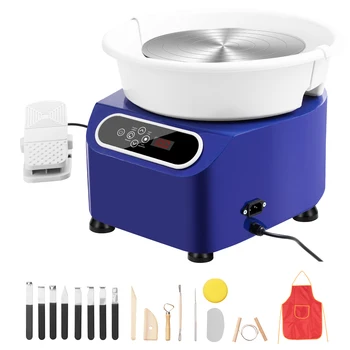
Pottery and ceramics need quality clay, specialized tools, and firing materials. This category benefits from specialty retailers who understand clay chemistry and can recommend appropriate materials for specific firing temperatures.
3D printing requires material consistency and compatibility with specific printers. Filament quality directly affects print success. Retailers specializing in maker materials understand printer specifications and can recommend appropriate materials.
Kids’ craft projects benefit from complete kits with pre-sorted materials and clear instructions. Retailers offering curated kids’ collections eliminate the frustration of sourcing individual components.
Seasonal and holiday decorating requires variety and novelty. Retailers who refresh inventory seasonally and offer themed collections make this category easier.
The key insight is that inventory variety matters less than inventory relevance. A retailer with 500 items perfectly matched to your projects beats one with 50,000 items where 49,500 don’t apply to you.
Jewelry makers and 3D printing hobbyists benefit most from specialty retailers with deep material knowledge. Seasonal decorators and kids’ craft projects work best with curated retailers offering complete kits.
Making Your Final Choice
Selecting among craft supply alternatives requires clarity on three factors: your primary craft disciplines, your shopping frequency, and your budget constraints.
If you craft primarily in one discipline, a specialty retailer with deep inventory and expert knowledge typically outperforms generalists. If you bounce between multiple craft types, a curated retailer offering quality across several disciplines often beats trying to juggle multiple suppliers. If you purchase frequently and in volume, bulk suppliers and retailers with strong loyalty programs become more attractive despite potentially higher upfront costs.
Research actual customer feedback rather than relying on retailer marketing. People who’ve already made purchases in your specific craft category provide the most relevant information about whether a retailer actually delivers quality and completeness. Start with a small order before committing to a new supplier. This verification step prevents expensive mistakes and helps you assess whether the retailer’s inventory, quality, and shipping actually match your needs.
Finding the right craft supply source transforms your creative practice. Rather than settling for whatever’s convenient, matching your retailer choice to your actual projects eliminates frustration and reduces wasted spending on materials that disappoint. Craft Living Artistry specializes in this precision, curating jewelry-making essentials, 3D printing filaments, pottery tools, and complete craft kits specifically chosen to support real projects. Whether you’re exploring a new craft discipline or deepening expertise in one you already love, the right sourcing partner makes every project more enjoyable. Explore alternatives that align with your specific needs, and you’ll find that better materials and better retailers genuinely improve both your creative output and your satisfaction with the crafting process itself.
Frequently Asked Questions
What makes a craft supply alternative better than Factory Direct Craft?
The best alternatives offer curated selection instead of overwhelming inventory, and specialized expertise in specific craft categories. Look for retailers that provide complete kits with nothing missing, and focus on the exact crafting disciplines you pursue. Many alternatives also offer better customer service and educational resources tailored to your skill level.
How do I find bulk craft supplies for hobbyists without overpaying?
Compare per-unit pricing across retailers rather than total cart cost. Many online craft supply stores offer volume discounts that aren’t immediately visible. Check loyalty programs and seasonal sales, which can reduce bulk purchase costs. For specialty materials like 3D printing filaments or pottery clay, buying in bulk directly from manufacturers or specialty retailers often beats general craft stores. Request quotes from retailers for large orders, many negotiate on bulk pricing.
What should I check when evaluating how to source quality crafting materials?
Verify that materials meet industry standards for your specific craft. For pottery, check clay composition and firing temperature ranges. For jewelry making, confirm metal purity and bead quality. Read customer reviews focusing on project outcomes, not just shipping speed. Look for retailers that specify material sourcing and provide technical support. Confirm their return policy covers defective materials.
Are there craft supply alternatives that specialize in specific categories?
Yes. Some retailers focus exclusively on yarn crafts and patterns, others specialize in fine art materials, and some concentrate on jewelry-making essentials or pottery tools. Specialty retailers typically offer deeper expertise, higher-quality materials in their niche, and more project-specific guidance than general craft stores. This specialization means fewer overwhelming choices and better support for your particular craft discipline.
This article was written using GrandRanker



0 Comments