
Table of Contents
- Jewelry Pliers vs Wire Cutters: Which Tool Does What
- Jewelry Pliers vs Wire Cutters: Side-by-Side Comparison Table
- Types of Jewelry Pliers and Their Uses
- Flush Cutters vs. Regular Wire Cutters
- Best Pliers for Jewelry Making Beginners
- How to Cut Jewelry Wire Cleanly
- Conclusion: Building a Beginner Tool Set That Grows With You
- Frequently Asked Questions
Last Updated: October 12, 2026
Jewelry Pliers vs Wire Cutters: Which Tool Does What
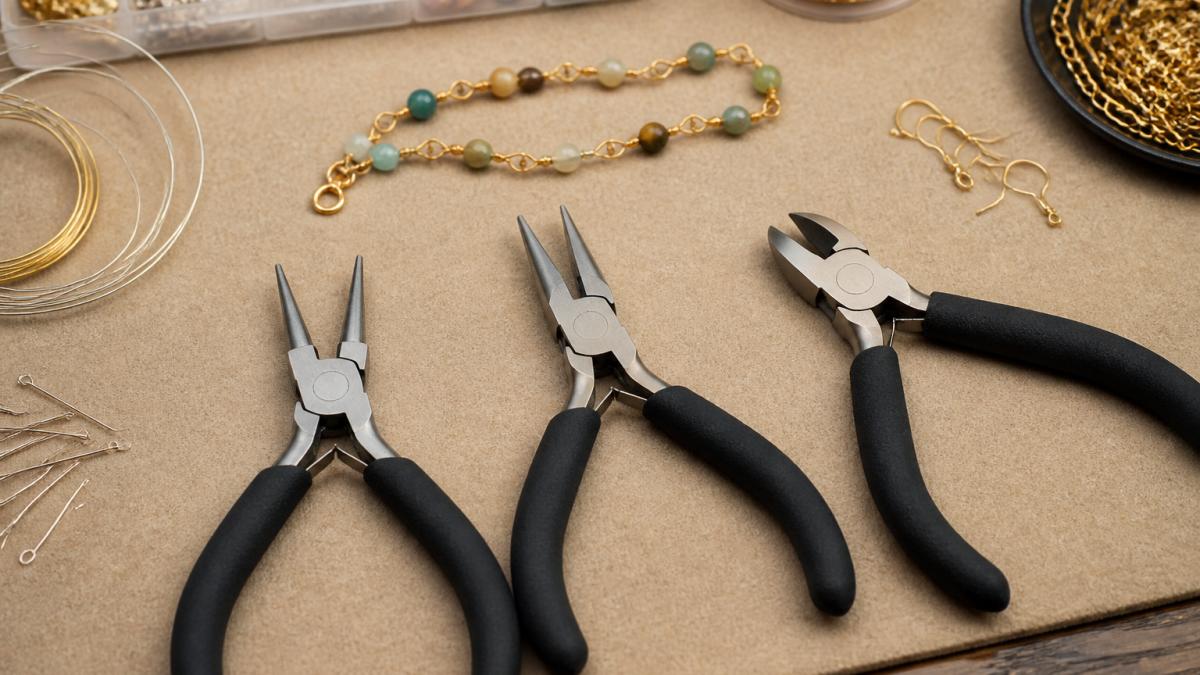
Jewelry pliers and wire cutters do two different jobs, and beginners who confuse them end up with bent wire and ruined tools. Jewelry pliers grip, bend, and shape wire without flattening it, while wire cutters trim wire to length and finish the cut end. If you are assembling your first tool set, this guide from Craft Living Artistry breaks down which tool handles which task.
The distinction matters more than most starter kits admit. Pliers apply controlled pressure to move metal. Cutters apply force in one direction to sever it. Use pliers to cut and you crush the wire instead of slicing it. Use cutters to bend and you nick the cutting edge, which dulls the blades permanently.
Here is the short version:
- Jewelry pliers shape loops, grip wire, and straighten bends.
- Wire cutters trim wire to length and create the cut end.
- Neither replaces the other. A beginner set needs at least one of each.
The Occupational Safety and Health Administration guidance on hand tool safety applies to any cutting tool you use at a workbench, including small hand cutters. Keep blades sharp, cut away from your body, and never cut wire thicker than the tool is rated for.
Jewelry Pliers vs Wire Cutters: Side-by-Side Comparison Table
The clearest way to see the split is a direct comparison. Each tool type has a job the other cannot do well.
| Task | Jewelry Pliers | Wire Cutters |
|---|---|---|
| Bending wire into shape | Yes | No |
| Forming loops | Yes | No |
| Gripping and holding wire | Yes | No |
| Cutting wire to length | No | Yes |
| Trimming close to a joint | No | Yes, with flush cutters |
| Finishing the cut end | No | Yes |
| Risk if misused | Crushed or nicked wire | Dulled blades |
The table makes one point obvious: a beginner cannot buy one and skip the other. Most starter sets include both for this reason.
Types of Jewelry Pliers and Their Uses
Jewelry pliers are hand tools with jaws shaped for specific wire tasks. The three shapes a beginner actually needs are round-nose, chain-nose, and flat-nose. Each one solves a different problem.
Round-Nose Pliers: Form Loops and Curves
Round-nose pliers have two tapered, conical jaws that form consistent loops and curves. They are the tool for eye pins, jump rings, and any wire that needs a rounded bend.
The technique is simple. Grip the wire near the tip for small loops or farther down the jaw for larger ones. Rotate your wrist to wrap the wire around the cone. The taper gives you a range of loop sizes from a single tool.
What most guides miss is that round-nose pliers should never grip hard. Their jaws are meant for shaping, not holding. Squeeze too firmly and you leave flat spots on what should be a smooth curve.
Chain-Nose and Flat-Nose Pliers: Grip, Bend, and Straighten
Chain-nose pliers have tapered jaws that reach into tight spaces, which makes them the workhorse for gripping and bending wire in close quarters. Flat-nose pliers have wide, flat jaws for holding wire steady and making sharp, angular bends.
A common mistake is using chain-nose pliers to pull wire tight. The narrow jaws concentrate pressure, so they can mar soft wire. For straightening and holding, flat-nose pliers spread the force across a wider surface and leave fewer marks.
Keep a separate pair of nylon-jaw pliers for straightening finished pieces. The plastic jaws grip without scratching plated or coated wire, which metal jaws will damage.
Flush Cutters vs. Regular Wire Cutters
Flush cutters and regular wire cutters both sever wire, but they leave different cut ends. Flush cutters have one flat side and one beveled side, so the cut sits flat against your work. Regular side cutters have two beveled edges, which leaves a pointed, angled end.
That difference decides which tool you reach for. Flush cutters are the right choice when the cut end will be visible or sits close to a joint. Regular cutters handle bulk trimming where the finish does not matter.
Why Cut-End Finish Matters on Jewelry Wire
A cut end is the exposed tip left after you trim wire. On jewelry, that tip touches skin, catches on fabric, and shows in the finished piece. A sharp, angled end from regular cutters can scratch a wearer and snag on clothing. A flush cut leaves a flat edge you can file smooth.
For chain making, beading, and any piece worn against the body, cut-end finish is not cosmetic. It is the difference between a piece that feels finished and one that feels sharp.
Best Pliers for Jewelry Making Beginners
The best beginner setup is a small set with one pair of round-nose pliers, one pair of chain-nose pliers, one pair of flat-nose pliers, and one pair of flush cutters. That covers shaping, gripping, straightening, and cutting without forcing you to buy tools you will not use yet.
Craft Living Artistry curates starter kits built around exactly this combination, so you are not guessing which four tools to pair together. The kits bundle the pliers and cutters a beginner actually reaches for, alongside the cords, beads, and wire to practice on.
Starter Tools vs Student-Grade Tools: Where to Save and Where to Spend
Spend on the cutters. A cheap pair of flush cutters dulls fast, and a dull cutter crushes wire instead of slicing it. That single tool determines whether your cut ends look clean.
Save on the pliers, at least at first. Student-grade round-nose and chain-nose pliers handle soft jewelry wire fine. Upgrade once you know you will keep going and start working with harder wire.
Buying the cheapest possible cutter set is a false economy. Dull blades crush wire and leave burred ends that no amount of filing fixes cleanly, and you end up replacing the tool within months.
How to Cut Jewelry Wire Cleanly
Cutting jewelry wire cleanly comes down to three things: the right cutter, the right wire thickness, and the right technique. Get all three right and the cut end needs little or no cleanup.
- Match the cutter to the wire. Use flush cutters for soft jewelry wire and beading cable.
- Check the cutting capacity. Never cut wire thicker than the tool is rated for.
- Position the flat side of the flush cutter against the piece you are keeping.
- Cut with a firm, single squeeze. Do not rock or twist the blades.
- Trim close to the joint, then file the tip if it will touch skin.
Wire Gauge and Material Compatibility: Know the Limits
Wire gauge measures thickness, and lower numbers mean thicker wire. Every cutter has a maximum capacity, and exceeding it damages the blade. Soft wire, like copper and brass, cuts easily. Hard wire, like stainless steel memory wire, needs a heavier cutter and can chip a light pair.
As a rule, keep soft wire within your cutter’s stated range, and set aside a separate heavier cutter for hard wire. Never use jewelry flush cutters on metal sheet or on wire above their rating.
The single upgrade that improves cut quality most is a sharp pair of flush cutters dedicated to soft jewelry wire. Keep them for that job alone and they stay sharp far longer.
Conclusion: Building a Beginner Tool Set That Grows With You
The hardest part of starting jewelry making is not the technique. It is knowing which tools to buy first without wasting money on the wrong ones. Start with round-nose, chain-nose, and flat-nose pliers plus a quality pair of flush cutters, and you can handle nearly every beginner project.
Craft Living Artistry makes that first step simple with curated starter kits that put the right pliers and cutters in one place. You get a focused selection built for beginners, all the essentials for your first pieces, and room to add specialized tools as your skills grow. Get started with Craft Living Artistry and build a tool set that grows with every project.
Frequently Asked Questions
What are the different types of cutting pliers used in jewelry making?
Jewelry work relies on a few distinct cutting tools. Flush cutters trim wire so the cut end sits nearly flat, which matters when you cut close to a joint. Side cutters handle thicker wire and general trimming but leave a pinched, angled end. Micro cutters reach into tight spaces on fine wire, and nylon-jaw pliers hold and straighten without scratching. Wire strippers belong to electrical work, not jewelry, since they notch insulation rather than shear metal. Buy one flush cutter first; add side cutters only when you move up to heavier gauges.
Can regular pliers be used for jewelry making?
Hardware-store pliers will bend wire, but their jaws are serrated, so they leave teeth marks on soft wire and finished pieces. They are also sized for gripping bolts, not for forming loops around a 2 mm mandrel. For simple practice bends on scrap wire, a household needle-nose plier works. For anything you plan to wear or sell, use smooth-jawed jewelry pliers. The teeth marks cannot be polished out of thin copper or sterling wire without thinning the metal.
When should beginners use flush cutters instead of scissors?
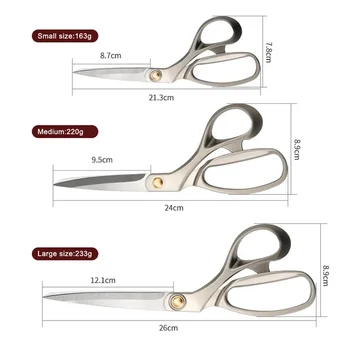
Use flush cutters for any metal: jewelry wire, beading cable, headpins, and eye pins. Scissors crush and notch wire instead of shearing it, and the cut end frays or catches on clothing. Reserve scissors for cord, thread, and ribbon. If you cut beading cable with household scissors, the strands splay and will not pass through a crimp bead. A pair of flush cutters keeps the cut end clean enough to thread and tuck.
Which jewelry pliers are best for opening and closing jump rings?
Two chain-nose pliers, one in each hand, give the most control on jump rings. Grip the ring on either side of the opening and twist one hand forward, the other back. Never pull the ends apart, since that distorts the ring’s circle. Flat-nose pliers work as a substitute on larger rings where you need more surface contact. For heavy-gauge rings, add a second pair with wider jaws so you are not pinching the metal with a narrow tip.
How do you choose wire cutters for different jewelry wire gauges?
Match the cutter to the wire’s gauge and hardness. Fine wire, roughly 24 to 28 gauge, cuts cleanly with micro flush cutters. Mid-range wire, 18 to 22 gauge, suits standard flush cutters. Heavier wire, 12 to 16 gauge, and hard wire such as stainless steel need side cutters or a dedicated heavy-duty cutter rated for that capacity. Check the tool’s stated cutting capacity before buying: using a fine cutter on hard wire chips the cutting edge and ruins the flush cut.



0 Comments