Table of Contents
- Why Jewelry Makers Look Beyond Herrschners
- Best Jewelry Making Supply Stores for Every Budget
- Jewelry Making Tools for Beginners: Where to Start
- Sustainable Jewelry Supply Sources and Ethical Sourcing
- Comparing Specialized vs. Generalist Suppliers
- How to Choose the Right Alternative for Your Projects
- Frequently Asked Questions
Last Updated: August 31, 2026
Why Jewelry Makers Look Beyond Herrschners
Herrschners has served craft retail for decades, but the jewelry supply landscape has fundamentally shifted. Specialized retailers now offer superior depth, pricing, and expertise that generalist craft stores can’t match. A jewelry maker serious about their craft, whether wire wrapping, bead stringing, or metal smithing, will outgrow a general catalog quickly.
The best approach is knowing which alternative fits your specific needs. This guide breaks down where to find professional-grade metals and tools, which retailers dominate beading supplies, where budget doesn’t mean compromised quality, and how to think about sustainable sourcing.
Best Jewelry Making Supply Stores for Every Budget
Professional-Grade Suppliers
Rio Grande stands out for serious jewelers, offering precious metals, specialized tools like anticlastic stakes, and equipment that intermediate and professional makers depend on. Their wholesale pricing is significant with a business account, and inventory depth means you’re unlikely to hit dead ends. The tradeoff: account setup is required, and the site assumes you know what you’re looking for.
Rio Grande’s jewelry supply catalog
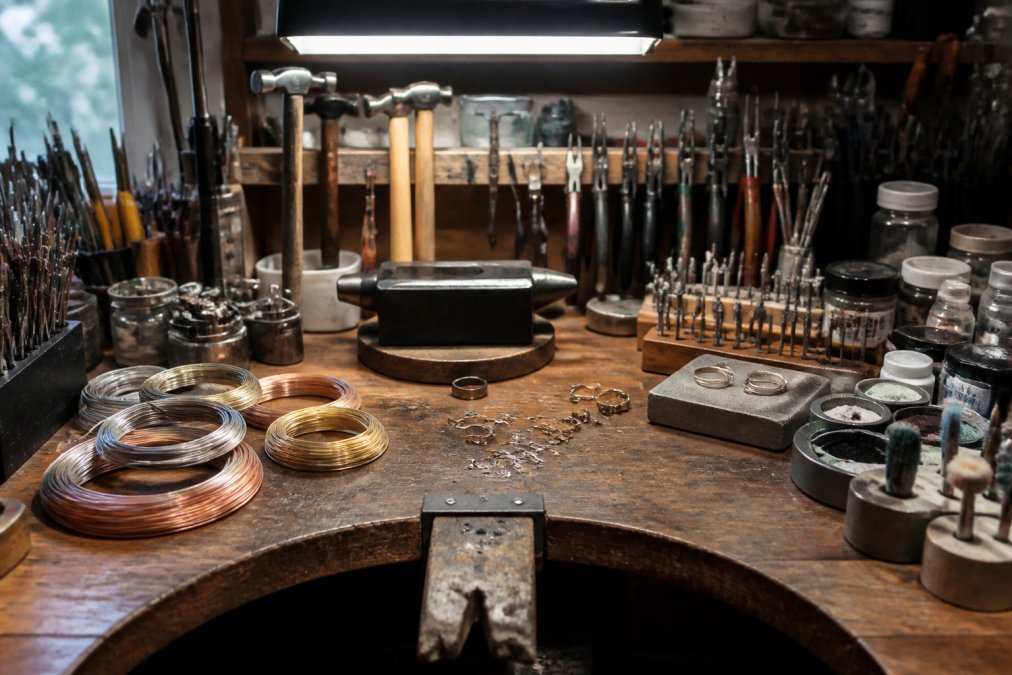
Contenti balances professional-grade tools with budget-friendly options. Their “Sale Specials” section regularly discounts high-end equipment, making professional tools accessible to makers still building their toolkit. They carry forming tools, soldering supplies, polishing systems, and specialized items like bangle presses and rolling mills. The strength is range; the weakness is an overwhelming website without a clear goal.
Beading-Focused Retailers
Fire Mountain Gems and Beads dominates with over 100,000 products (firemountaingems.com). Their selection of seed beads, gemstones, crystals, and findings is unmatched. Quantity discounts kick in fast, and their free tutorials justify browsing even when not buying. The catch: volume can paralyze new crafters.
PotomacBeads offers similar focus with curated kits and subscription boxes. Their free tutorials appeal to makers wanting inspiration alongside supplies.
Halstead specializes in sterling silver and gold-filled findings and chain. Their Jewelry Business Forum and educational resources make this supplier feel like a community hub, valuable for makers scaling from hobby to small business.
Beadalon emphasizes stringing materials and specialized tools. Their wire selection (7, 19, and 49 strand options) and cord varieties give beaders precision options.
Budget-Friendly and Accessible Options
Michaels serves hobbyists and beginners with broad, affordable inventory. For someone testing whether jewelry making sticks as a hobby, Michaels’ starter kits and basic supplies make sense. Frequent sales and coupons bring costs down further. Physical store locations let you inspect items before buying.
Etsy connects you directly to independent makers selling handmade components, artisan tools, and vintage supplies. The variety is unmatched, and you’ll find specialty beads and unique findings unavailable elsewhere. Quality consistency is the gamble, as returns depend entirely on individual sellers.
Jewelry Making Tools for Beginners: Where to Start
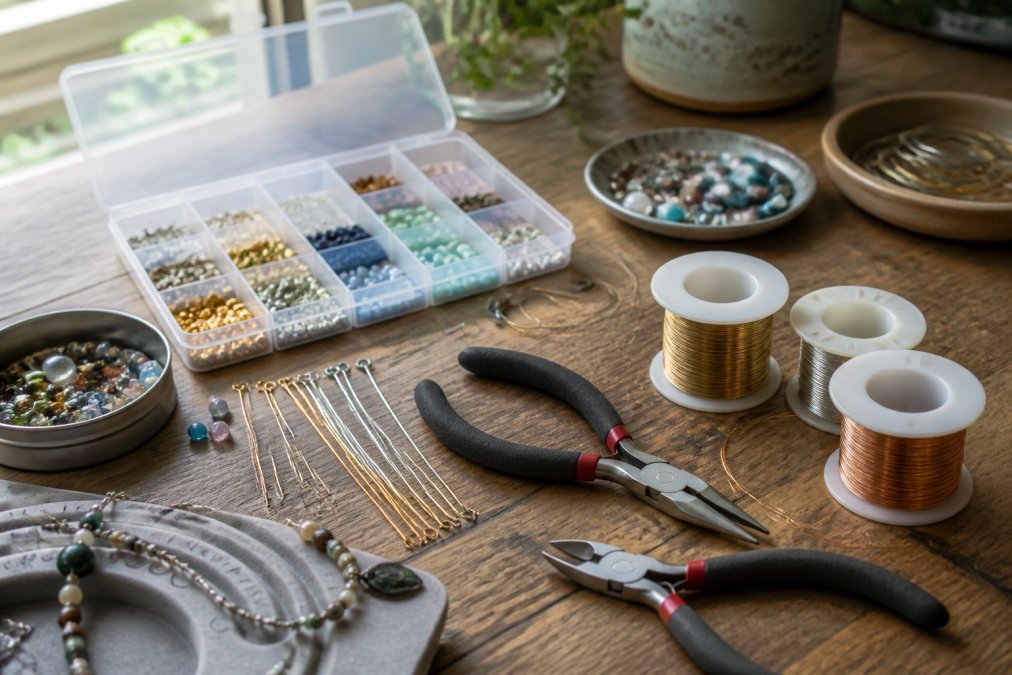
The essential beginner toolkit includes wire cutters, round-nose pliers, flat-nose pliers, and bead stringing materials. A common mistake is buying “complete kits” without understanding which tools you’ll actually use. Instead, research your specific technique, then buy only the tools that technique requires.
Where to Source Beginner Tools: Shipping and Cost Trade-offs
Michaels (In-Store or Online): Starter kits run $19.99-$39.99. In-store shopping lets you inspect items before buying. Free shipping on orders over $35 for in-store pickup; standard shipping takes 5-7 business days. Best for: absolute beginners wanting immediate access.
Beadalon (Online Only): Individual pliers start around $14.99. Standard shipping takes 5-10 business days; expedited options add $8-$15. You buy exactly what you need without kit constraints. Best for: beginners wanting flexibility.
Contenti (Online Only): Economy tool options keep costs low while maintaining durability. Shipping varies; orders under $50 may incur a flat fee ($6-$10), while larger orders often qualify for free shipping. Delivery is typically 7-10 business days. Best for: makers willing to invest slightly more for better quality.
Fire Mountain Gems (Online Only): Beginner bead stringing kits run $24.99-$49.99. Free shipping on orders over $50; otherwise $5.99-$9.99 for 5-7 business days. Best for: beaders wanting inspiration alongside supplies.
Etsy (Varies by Seller): Starter sets run $15-$35, but shipping costs and timelines vary by seller location. Delivery ranges from 3-5 business days to 2-3 weeks. Best for: beginners hunting specific tool types, if you can verify seller ratings.
Building Your Kit Gradually vs. Buying All at Once
Most beginners benefit from the gradual approach: buy the three essential pliers ($40-$60 total) and basic wire from one supplier, then add specialty tools as you identify your technique. This spreads costs and reduces waste on unused tools.
Tools under $5 each often fail within weeks (peer-reviewed research). Spending $10-$15 per plier yields durability lasting hundreds of projects. Beadalon and Contenti’s economy lines hit the sweet spot: $8-$15 per tool, durable enough for serious hobbyists yet affordable for beginners.
Sustainable Jewelry Supply Sources and Ethical Sourcing
Sustainability in jewelry making splits into material sourcing and production impact. Many makers now ask where metals, beads, and findings come from and whether suppliers prioritize ethical practices.
How to Vet Supplier Transparency
The most reliable suppliers provide specific sourcing information. Look for these concrete indicators:
Metals and Findings: Rio Grande and Halstead publish sourcing statements specifying whether sterling silver is recycled content, newly mined, or blended. If a supplier can’t answer “What percentage of your silver is recycled?” they’re likely not prioritizing transparency.
Gemstones and Beads: Fire Mountain Gems labels sustainable bead selections explicitly with categories for recycled glass, lab-created stones, and responsibly sourced gemstones. Gemstone suppliers should disclose whether stones are lab-created or from regions known for fair labor practices.
Certifications to Recognize: Fairmade certification, Responsible Jewellery Council (RJC) membership, and B Corp status carry weight. Smaller suppliers may lack certifications but should provide traceability. Ask directly: “Where was this material sourced and processed?”
Independent Makers and Etsy Specialists
Etsy sellers often highlight sustainability explicitly because reputation depends on it. Independent makers frequently use recycled metals, upcycled components, and ethically sourced gemstones. Check their “About” section and shop policies. Sellers with hundreds of reviews mentioning “sustainable” or “ethically sourced” have proven track records.
The Reality: No Perfect Option
True sustainability requires research because no major retailer guarantees every component meets every ethical standard. Build a mixed sourcing strategy: use Halstead for precious metal findings with clear sourcing, Fire Mountain for labeled sustainable bead categories, and Etsy makers for unique components where you can verify practices directly.
Comparing Specialized vs. Generalist Suppliers
Specialized suppliers win on depth, expertise, and pricing within their niche. Rio Grande excels at metalsmithing tools. Fire Mountain dominates bead inventory. Halstead understands precious metal findings best. Generalist suppliers like Michaels offer convenience and accessibility but shallower inventory and higher prices outside core categories.
The hybrid approach works well: use specialists for core supplies and generalists for basics or emergency items. If buying under $50 and wanting it today, Michaels wins. For $200+ in supplies for a specific technique, specialists deliver better value. For unique or sustainable components, Etsy specialists are your only real option.
How to Choose the Right Alternative for Your Projects
Start by identifying your primary technique: beading, wire wrapping, metal smithing, or stone setting. Each has a natural home among suppliers.
Next, assess your budget and volume. Hobbyists benefit from Michaels’ accessibility and Etsy’s uniqueness. Serious makers and small businesses need Rio Grande’s depth, Fire Mountain’s inventory, or Halstead’s business resources.
Consider shipping and return policies. Michaels has physical stores and straightforward returns. Rio Grande and Contenti handle wholesale returns differently than retail. Check policies before committing.
Finally, think about discovery. Fire Mountain and PotomacBeads excel at inspiration through curated collections. Rio Grande and Contenti assume you know what you’re looking for. Etsy is pure discovery.
| Supplier Type | Best For | Primary Strength | Tradeoff |
|---|---|---|---|
| Professional specialists (Rio Grande, Contenti) | Metal smithing, advanced techniques | Depth and expert curation | Steeper learning curve, account setup |
| Bead specialists (Fire Mountain, Halstead, Beadalon) | Beading, wire wrapping, findings | Inventory and pricing | Narrower focus, less metalsmithing depth |
| Generalist retailers (Michaels) | Beginners, quick access, testing | Accessibility, in-person shopping | Limited selection, higher prices |
| Independent makers (Etsy) | Unique components, sustainable sourcing | Variety and ethical options | Quality varies, shipping inconsistent |
Choosing where to source your jewelry making supplies matters significantly. The right supplier saves money, reduces frustration, and connects you to a community of makers who understand your specific needs. Herrschners alternatives aren’t just about cheaper or more abundant inventory, they’re about finding retailers aligned with how you actually work.
Craft Living Artistry recognizes that different makers need different solutions. Whether building a beginner toolkit, scaling a small business, or sourcing sustainable components, the suppliers above deliver on specific promises. Start with one matching your immediate needs, then expand your sourcing network as your practice deepens.
Frequently Asked Questions
What makes Herrschners alternatives better for jewelry makers?
Different suppliers excel in different areas. While Herrschners offers general craft supplies, specialized jewelry making suppliers provide deeper selections of beading supplies, professional-grade tools, and raw materials. Rio Grande and Halstead focus on precious metals and findings, Fire Mountain Gems specializes in beads with wholesale pricing, and Etsy connects you with independent artisan suppliers. Choosing based on your specific project needs, whether beading, metalsmithing, or wire wrapping, gives you access to better quality and often better pricing than a generalist approach.
Which jewelry making supply stores offer the best selection for beginners?
Michaels provides affordable starter kits and basic tools with frequent sales and coupons, making it ideal for testing the hobby. Fire Mountain Gems and Beadalon offer comprehensive beading supplies with tutorials and quantity discounts. Craft Living Artistry curates focused selections specifically designed for beginners, eliminating decision paralysis. For those wanting structured guidance, kits from these retailers include everything needed to complete projects without hunting across multiple vendors for individual components.
How do I find sustainable jewelry supply sources?
Look for suppliers emphasizing ethical sourcing and transparency in their supply chain. Etsy’s independent sellers often highlight handmade and upcycled materials with detailed sourcing information. Halstead, a family-owned business, maintains relationships with suppliers and provides educational resources about material quality. Craft Living Artistry focuses on curated selections that support responsible sourcing. When evaluating any supplier, check their website for certifications, material origin statements, and business practices that align with your sustainability values.
What jewelry making tools should beginners prioritize buying first?
Start with the essentials: a pair of quality pliers (chain-nose and round-nose), wire cutters, a beading needle, and a comfortable workspace. Beadalon specializes in these foundational tools, offering pliers starting around $14.99 and stringing materials. Many suppliers bundle these into beginner kits. Rather than buying every tool upfront, invest in basics first, then add specialized tools like stamping presses, soldering equipment, or forming tools as your skills develop and your project needs become clearer.
Should I buy from specialized jewelry suppliers or generalist craft stores?
It depends on your project type and volume. Specialized suppliers like Rio Grande, Contenti, and Halstead offer deeper selections, wholesale pricing for bulk purchases, and expert support for metalsmithing techniques like soldering and forming. Generalist retailers like Michaels are convenient for casual hobbyists and offer frequent discounts. For serious hobbyists or small-batch production, specialized suppliers provide better value and quality despite potentially higher per-item prices. Many jewelry makers use both: generalist stores for basic supplies and specialized vendors for specific materials or techniques.
This article was written using GrandRanker



0 Comments