
Table of Contents
- Best Online Jewelry Supply Stores for Every Maker
- Wholesale Jewelry Findings for Beginners
- Jewelry Making Tools for Professionals
- Sourcing Gemstones and Semi-Precious Stones
- Cost-Effective Supply Strategies: Destashing and Community Sourcing
- Vetting Quality and Avoiding Common Pitfalls
- Frequently Asked Questions
Last Updated: August 27, 2026
Best Online Jewelry Supply Stores for Every Maker
Finding the right jewelry supply alternatives to Herrschners means matching your specific needs, bulk beads, professional-grade tools, or specialty gemstones, to a vendor that stocks what you need at a price that makes sense. Today’s jewelry makers have access to specialized retailers, wholesale platforms, and niche suppliers that often beat Herrschners on selection, pricing, or both.
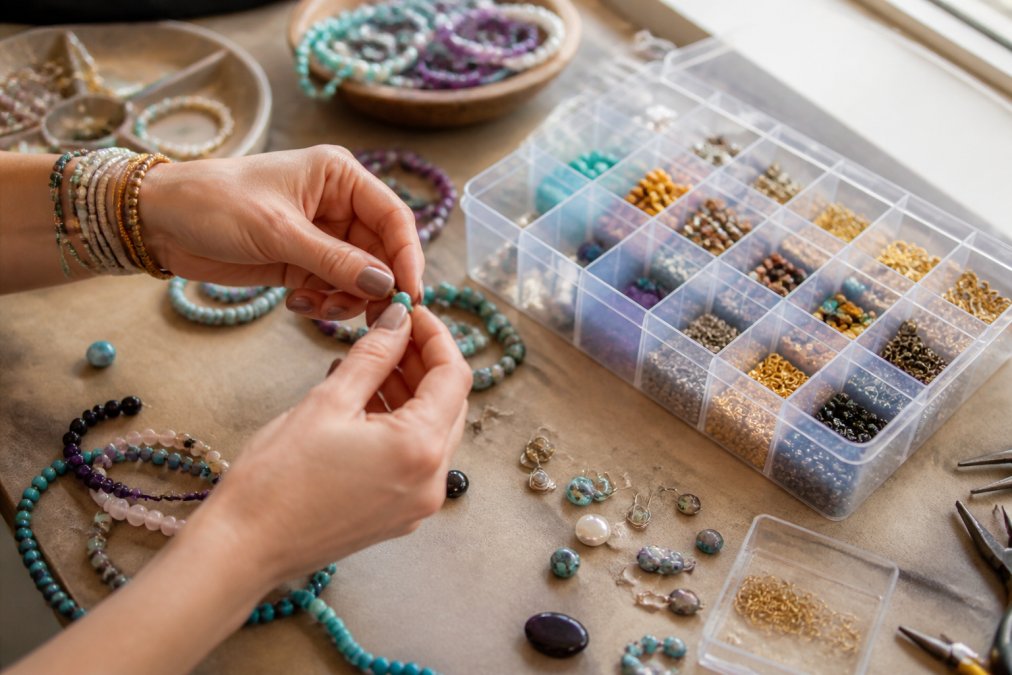
Fire Mountain Gems and Beads: Bulk Buying and Wholesale Pricing
Fire Mountain Gems is the alternative most Herrschners customers switch to first because of volume pricing that actually works. If you’re buying jewelry findings by the strand or stocking up on base metals, per-unit costs drop fast. Their inventory spans tens of thousands of items: beads in every material (glass, acrylic, wood, seed, pearls, gemstones), findings, tools, and stringing materials.
Wholesale pricing kicks in at reasonable order volumes, and regular sales push already-competitive prices lower. They publish free catalogs and maintain educational resources that help newer makers understand what they’re ordering. Customer service for order issues tends to be reliable.
The catch: product information can be misleading on certain items, and some customers report mislabeled gemstones. If you’re sourcing materials for production runs, this is your strongest Herrschners alternative. For casual hobbyists, the volume requirements might not justify the switch.
Rio Grande: Premium Tools and Precious Metals
Rio Grande operates in a different category. This is where professional jewelers and serious metalworkers go for wire, sheet metal, casting supplies, and specialized equipment that performs under real production conditions.
Their catalog includes precious metals (gold, silver, platinum in various gauges and forms), professional-grade tools, and equipment for wire wrapping, chain maille, and metal smithing. Technical support is genuine, with staff who understand materials and can advise on tool selection for specific techniques.
The tradeoff is cost and shipping. Rio Grande prices run higher, and shipping small orders gets expensive. But if you’re doing semi-professional or professional work where material quality directly affects output, this Herrschners alternative delivers where others don’t.
Artbeads.com: Specialty Beads and Curated Collections
Artbeads specializes in premium and specialty beads that appeal to designers rather than volume buyers. Their selection includes PRESTIGE Crystal, TOHO seed beads, and Czech glass. The platform also stocks findings, tools, and kits, but the real draw is the bead selection and free patterns and tutorials.
Full-price merchandise runs higher than Fire Mountain, though sales can make it competitive. If your aesthetic depends on premium bead quality, Artbeads is the right alternative.
Shipwreck Beads: Unmatched Selection and Competitive Pricing
Shipwreck Beads stocks over 48,000 styles and colors of beads, African beads, glass, gemstones, seed beads, and specialty materials you won’t find elsewhere. This scale of selection makes them the go-to for designers hunting specific, unusual, or hard-to-find varieties.
Pricing stays competitive, especially during sales. Free economy shipping on orders over $50 is practical. For bead enthusiasts and designers who know exactly what they’re looking for, Shipwreck Beads as a Herrschners alternative is nearly unbeatable.
Wholesale Jewelry Findings for Beginners
Jewelry findings are the invisible infrastructure of every piece: jump rings, clasps, bead caps, connectors, ear wires, crimp beads. Beginners often underestimate their importance, then discover that cheap findings tarnish, break, or look amateur. Understanding findings and sourcing them properly separates hobbyist work from pieces that hold up.
Understanding Findings and Why Quality Matters
Jewelry findings are the metal components that hold beads and stones together and allow pieces to be worn. They include jump rings (small loops that connect components), clasps (the mechanism that opens and closes), bead caps (decorative covers), ear wires (the hooks for earrings), crimp beads (small tubes that secure beading wire), and connectors (multi-loop components for complex designs).
Quality matters because findings bear structural load. A weak jump ring opens during wear. A poor crimp slips off the wire. Cheap plating tarnishes within weeks. For jewelry supply alternatives serving beginners, the goal is finding vendors who stock findings in materials that perform: sterling silver, gold-filled, stainless steel, or quality base metal plating.
Beadalon specializes in stringing materials and findings designed for durability. Their crimp beads hold consistently, and their beading wire resists kinking, two things that directly affect how long a finished piece lasts.
Budget-Friendly Starter Suppliers
Michaels stocks diverse bead types, findings, and tools in physical stores nationwide and online. Frequent sales and coupons can make prices competitive. The trade-off is consistency, product quality varies, and without sales, prices run high.
The Bead Chest offers African beads, glass beads, and gemstones sold by the strand at wholesale pricing. For beginners interested in ethnic or artisanal aesthetics, sourcing unique materials at wholesale prices beats paying retail elsewhere.
PotomacBeads bridges beginner and intermediate needs with premium beads, kits, and free tutorials. Their jewelry-making kits bundle materials for specific projects, removing guesswork about what you need.
Jewelry Making Tools for Professionals
Professional-grade tools separate projects that feel amateur from ones that look intentional. The difference between pliers that slip and ones that grip precisely compounds across every piece you make.
Specialized Wire and Stringing Materials
Wire wrapping and chain maille require specific wire gauges, hardness levels, and materials that generalist suppliers often stock poorly. Half-hard wire behaves differently than full-hard or dead-soft, and using the wrong temper produces frustration and wasted material.
Beadalon built their reputation on this specificity. They manufacture beading wire in 7-strand, 19-strand, and 49-strand options, each suited to different bead hole sizes and design aesthetics (beadalon.com). Their crimp beads are engineered to hold wire securely without slipping.
Rio Grande carries wire in gauges and alloys suited to metalworking: sterling silver, gold-filled, copper, and specialty alloys for specific techniques. If your work involves wire wrapping, metal smithing, or chain maille at a professional level, their selection justifies the higher cost.
Professional-Grade Tool Sources
Rio Grande and Fire Mountain both stock professional jewelry tools, but they serve different workflows. Rio Grande’s tools are built for precision metalworking: specialized pliers, files, and anvils. Fire Mountain stocks stringing tools, bead boards, and assembly equipment suited to bead work.
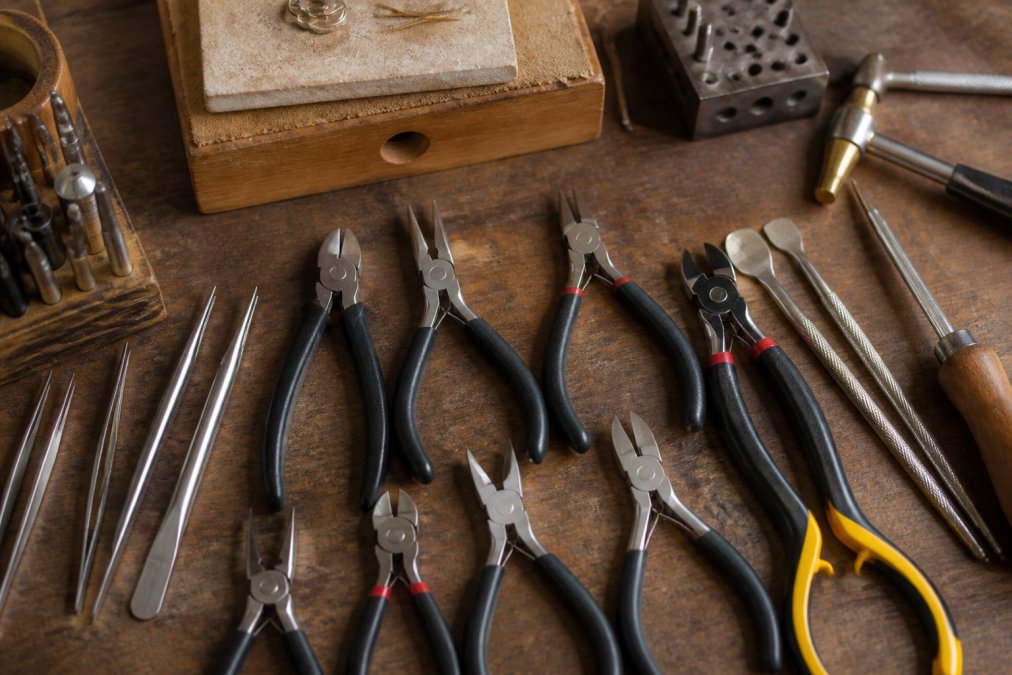
Quality jewelry-making tools from reputable vendors last years or decades. Cheap pliers wear out and damage wire. Professional-grade tools hold their edge and grip consistently. If you’re doing work that generates income or investing significant time in technique mastery, sourcing tools from vendors who specialize in professional work pays for itself.
Sourcing Gemstones and Semi-Precious Stones
Gemstone sourcing splits into two categories: volume buyers hunting specific materials at scale, and designers seeking unique or high-quality stones for individual pieces.
The Bead Chest specializes in gemstone strands sold at wholesale pricing, ideal for makers building inventory or working on production runs. Shipwreck Beads carries gemstones alongside their massive bead inventory. For designers seeking high-quality or certified gemstones, Rio Grande stocks precious and semi-precious stones with technical specifications.
The real consideration is supply chain transparency. Where do the stones come from? Are they ethically sourced? Larger retailers don’t always provide detailed sourcing information. According to Responsible Jewellery Council standards, ethical sourcing and supply chain transparency are increasingly important to consumers and makers alike. If this matters to your work, research vendor sourcing practices before committing to regular orders.
Cost-Effective Supply Strategies: Destashing and Community Sourcing
Professional and semi-professional makers accumulate inventory. Projects get abandoned. Techniques change. The result is destash, surplus materials that are perfectly functional but no longer needed.
Destashing communities exist across social media platforms, specialized forums, and dedicated sites. Buying destashed materials from other makers typically costs 30-50% less than retail, and you’re acquiring materials tested and vetted by experienced crafters (peer-reviewed research). For beginners experimenting with techniques, destashing is genuinely cost-effective.
Community-based sourcing also includes barter and skill-sharing. Online communities dedicated to jewelry making facilitate these exchanges. The limitation of destashing as a primary supply strategy is that it can’t support consistent production. It works best as a supplementary strategy for experimentation and learning.
Vetting Quality and Avoiding Common Pitfalls
The most common mistake beginners make is confusing selection volume with quality. Fire Mountain stocks tens of thousands of items, but their quality control on gemstone labeling has issues. Michaels offers convenience, but budget findings sometimes disappoint.
Before committing to a vendor, test their quality on a small order. Order a few items from each category you plan to use regularly: beads, findings, wire, tools. Assess whether materials meet your standards and perform as expected in finished pieces.
Check return policies and customer service responsiveness. Does the vendor help when something arrives damaged or doesn’t meet specifications? Read recent customer reviews, but weight them appropriately. Look for patterns of complaints about product quality or poor customer service. For professional work, consider building relationships with multiple vendors rather than relying on a single source. This gives you redundancy if a vendor runs out of stock and options if quality becomes inconsistent.
Finding the right jewelry supply alternatives to Herrschners depends entirely on what you actually make. Fire Mountain Gems wins on volume and pricing for bulk buyers. Rio Grande serves professional metalworkers with specialized materials and tools. Artbeads appeals to designers seeking premium, curated beads. Craft Living Artistry brings together focused selections of quality jewelry-making essentials, kits, and tools designed to make sourcing simpler and more inspiring, whether you’re starting your first project or scaling a professional practice. Explore multiple vendors, test quality on small orders, and build relationships with suppliers who understand your specific workflow.
=== FAQ ANSWERS (audit these too, same rules) ===
Frequently Asked Questions
Q: Where can I find cheap wholesale jewelry supplies?
A: Fire Mountain Gems, Shipwreck Beads, and The Bead Chest all offer wholesale pricing on bulk purchases. Wholesale jewelry findings for beginners are easiest to source from retailers offering strand quantities and volume discounts. Look for suppliers offering free shipping thresholds ($50+) to reduce overall costs. Many retailers provide regular sales and email coupon codes that further reduce prices without requiring membership fees.
Q: What’s the difference between beading wire and jewelry wire?
A: Beading wire is specifically designed for stringing beads and typically features a flexible core with multiple strands (7, 19, or 49 strand options) coated in nylon. Jewelry wire refers to solid metal wire used for wrapping, forming links, and structural components. Beadalon specializes in high-quality beading wire that resists kinking, making it ideal for durable bead stringing. Jewelry wire is better for wire wrapping and creating custom components.
Q: How do I choose a reliable jewelry supply vendor?
A: Evaluate vendors on product accuracy in descriptions, shipping speed, and return policies. Check customer reviews for reports of mislabeled gemstones or incomplete orders. Reliable jewelry supply stores like Rio Grande and Shipwreck Beads maintain transparent product information and responsive customer service. For online-only vendors, verify they offer clear return windows and provide detailed product photos showing actual items, not stock images.
Q: What jewelry components do I actually need to get started?
A: Essential jewelry components include beads, findings (clasps, jump rings, eye pins, bail), beading wire or thread, and basic tools (pliers, wire cutters, crimpers). Beginners should start with a focused selection rather than buying everything at once. Many retailers offer starter kits that include these core components. Wholesale jewelry findings for beginners are available in small quantities from most major suppliers, allowing you to experiment before committing to bulk purchases.
Q: Are subscription boxes worth it for jewelry makers?
A: Subscription boxes like those offered by PotomacBeads provide curated selections and free tutorials, which can reduce decision fatigue and introduce you to new materials. They work best for hobbyists seeking variety and learning opportunities. For cost-conscious makers or those with specific supply needs, purchasing individual items from retailers offering sales and bulk discounts often proves more economical than subscription commitments.
This article was written using GrandRanker



0 Comments